The Craft of Tatami Making
Walk into a traditional Japanese room and the first thing you notice is the floor. The soft give underfoot, the faint grassy scent, the quiet geometry of mats fitted together with almost no gap.
Walk into a traditional Japanese room and the first thing you notice is the floor. The soft give underfoot, the faint grassy scent, the quiet geometry of rectangular mats fitted together with almost no gap between them. Tatami is so fundamental to Japanese domestic life that room sizes in Japan are still commonly measured in tatami units — a cultural shorthand that has outlasted the rooms themselves.
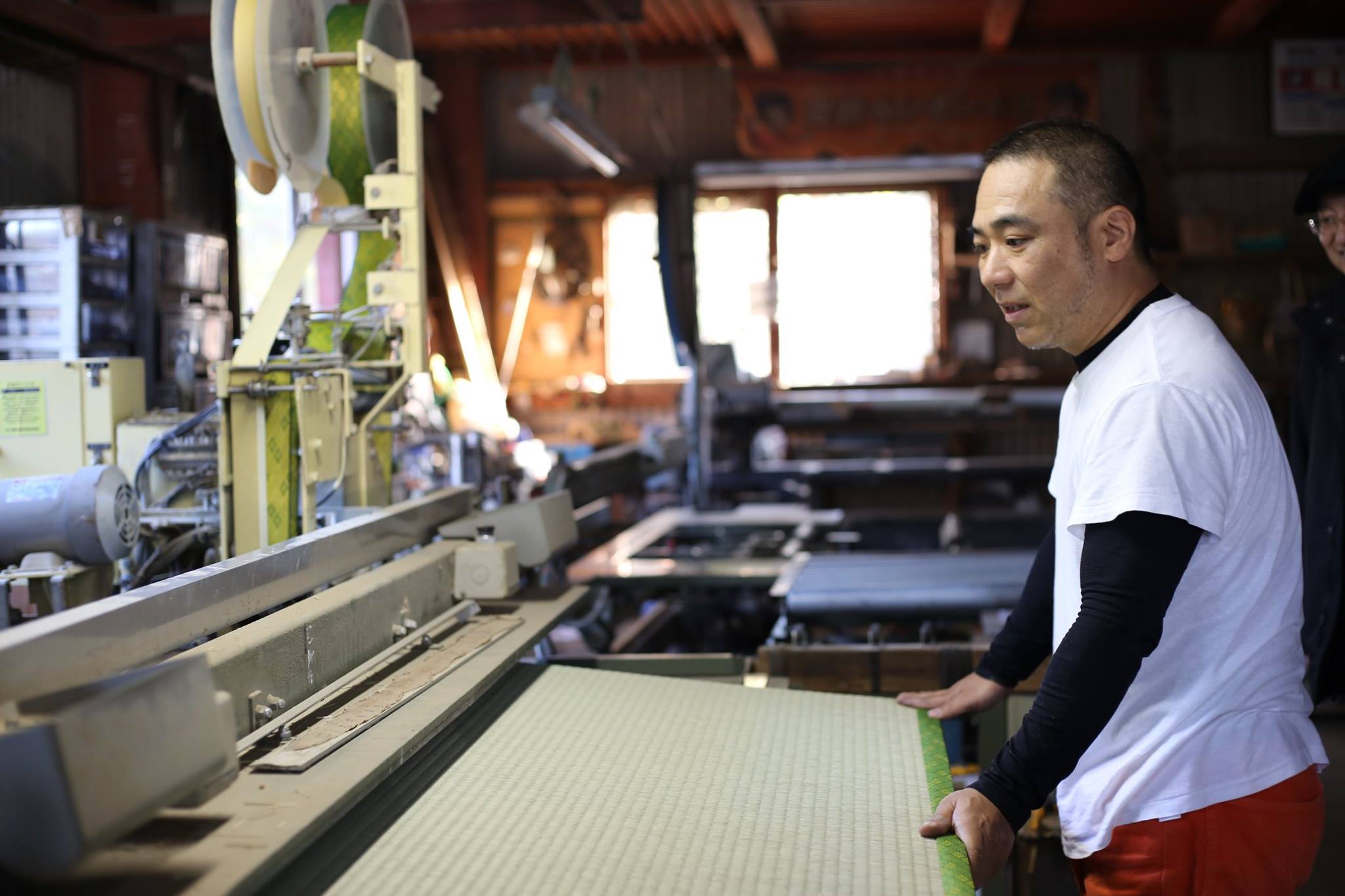
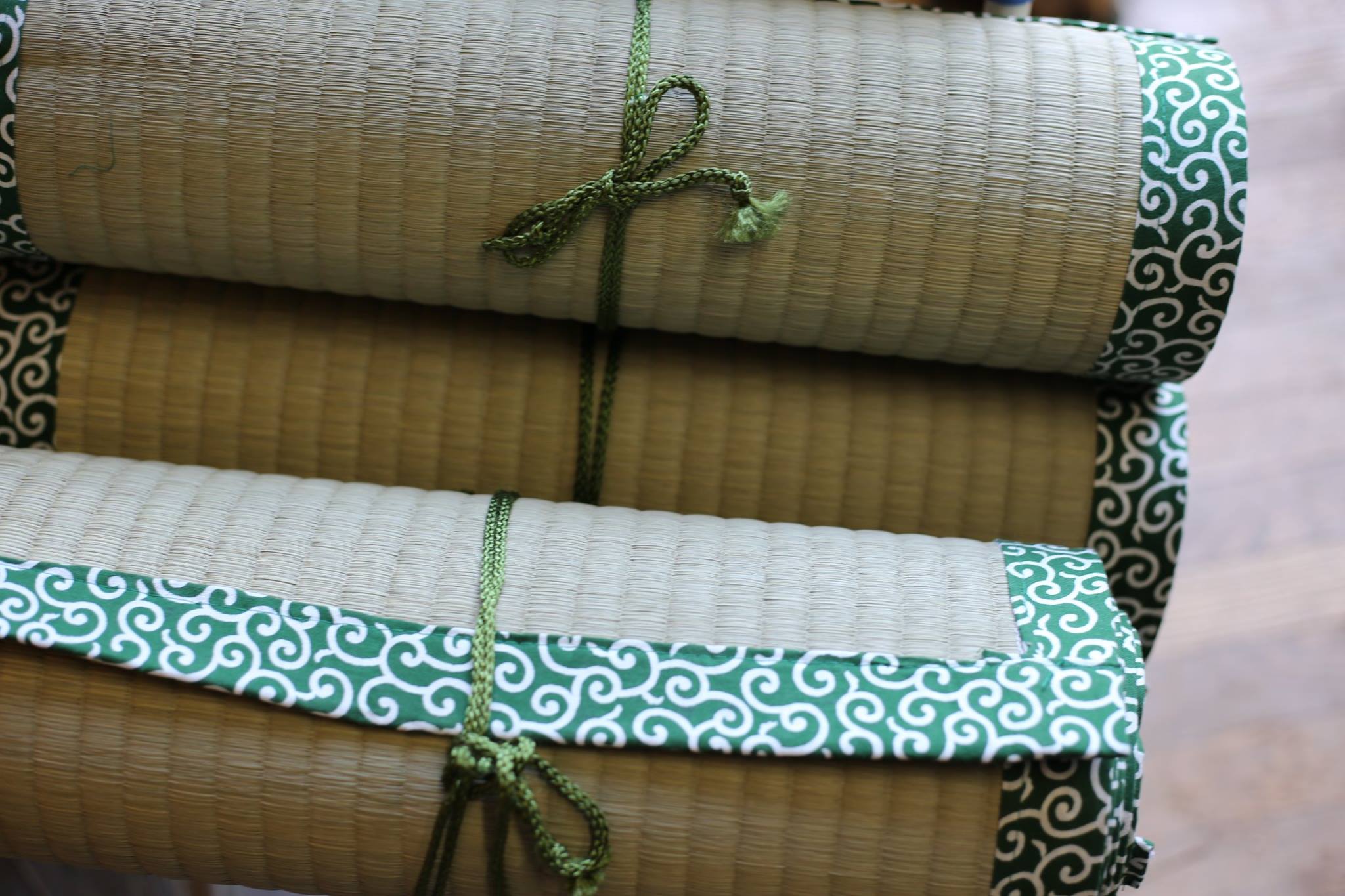
Watching tatami being made is a lesson in how much craft can hide in plain sight. The core of each mat is a thick pad of compressed rice straw — tatami-doko — built up to give the mat its characteristic softness and insulation. Over this is stretched igusa, woven rush grass, tightly bound in a weave that takes skill and machinery working in close tandem. The artisan watches the weaving frame carefully, feeling the tension in the material as much as seeing it.
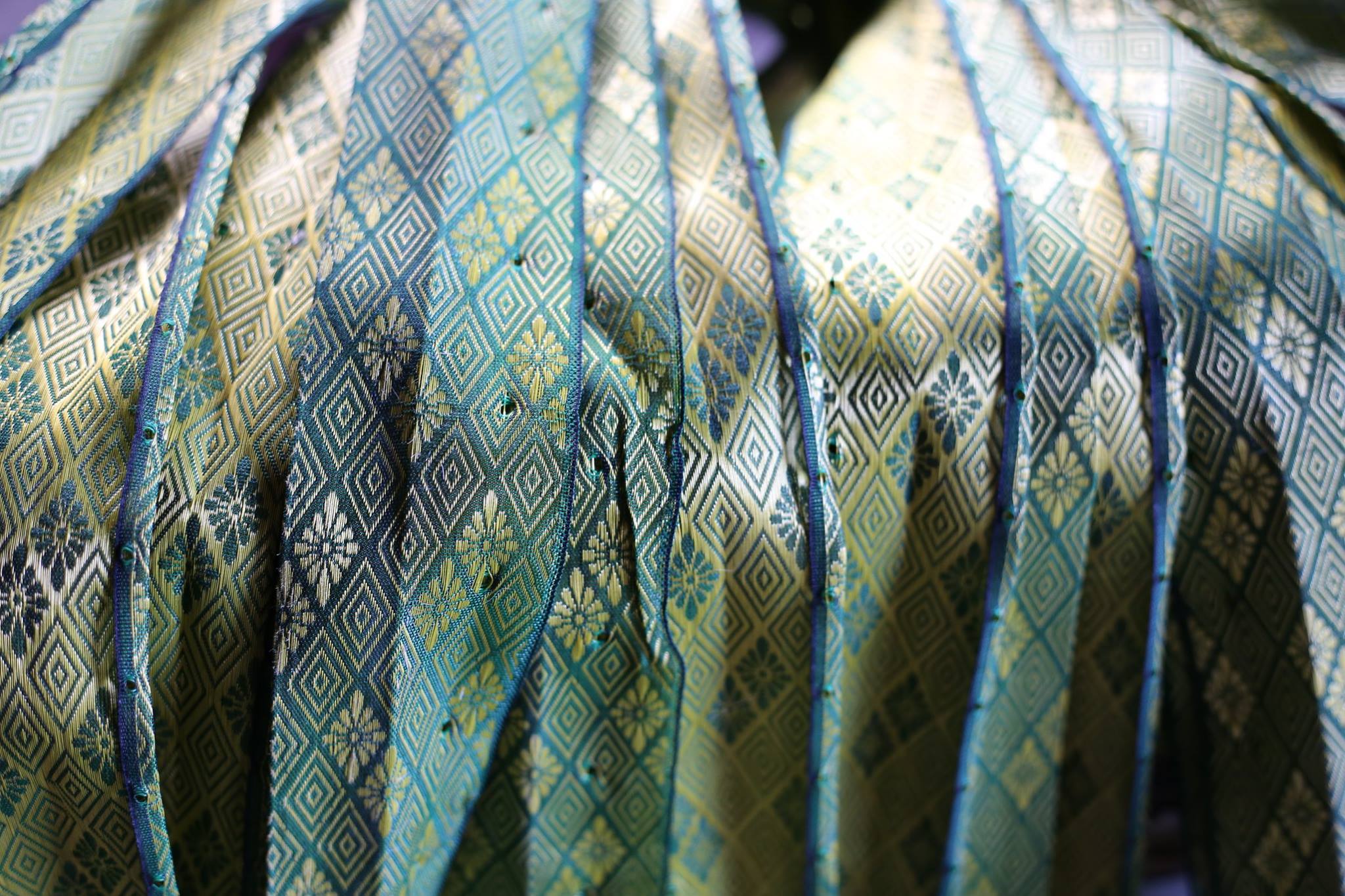
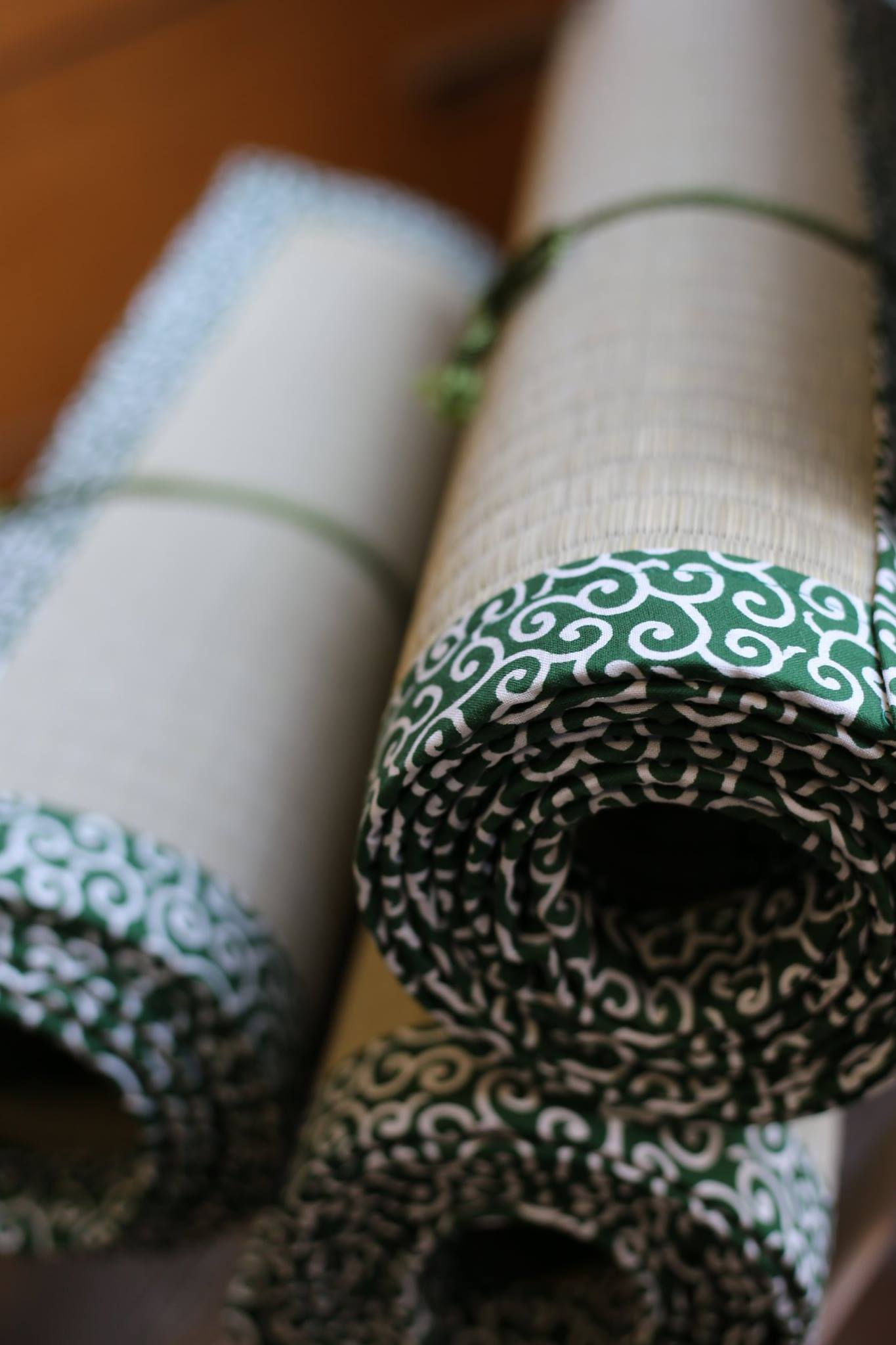
What catches the eye most are the borders — the heri. These fabric edgings, stitched along the long sides of each mat, were historically used to indicate social rank: plain borders for common rooms, elaborate brocade patterns in gold, blue, and green for noble households. Today they are purely decorative, but the craftsmanship is unchanged — the patterned fabric is pressed, folded, and bound with a precision that turns the edge of a floor mat into something worth looking at closely.
Fresh tatami has a smell that is one of Japan's most distinctive — clean, green, quietly calming. It fades over months and years, but the first time you encounter a newly laid tatami room, it stays with you.
More from this trip