Washi: Making Paper by Hand in the Chiba Countryside
An hour outside Tokyo, the city falls away. In a quiet wooden workshop in Chiba, I made paper the way it has been made for over a thousand years.
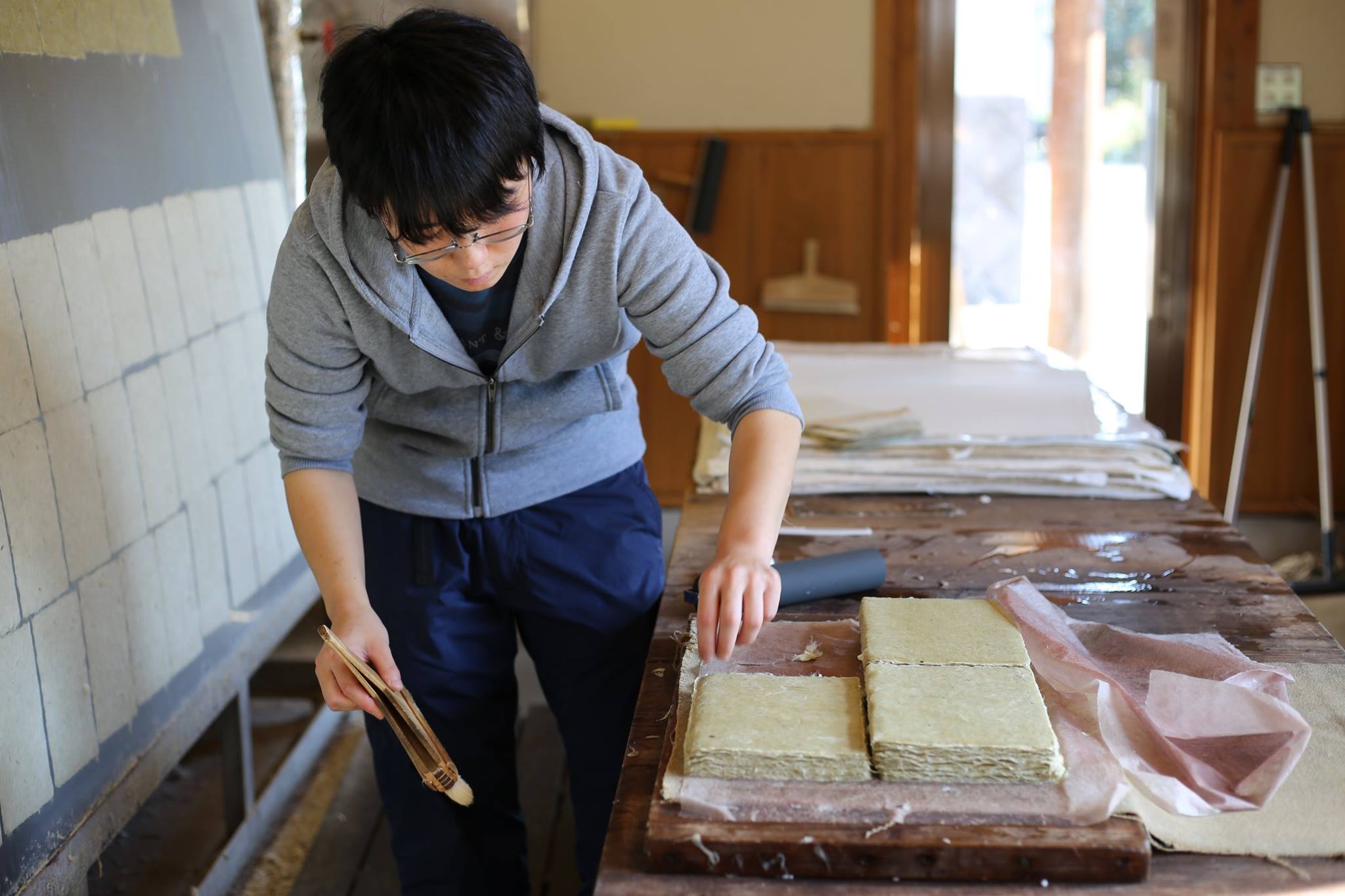
An hour or so outside Tokyo, the city falls away completely. The rice fields begin, the roads narrow, and the pace of things changes in a way that's difficult to describe but immediately felt. It was in the countryside of Chiba that I first encountered washi — traditional Japanese handmade paper — not in a museum, but in the way it has been made for over a thousand years.
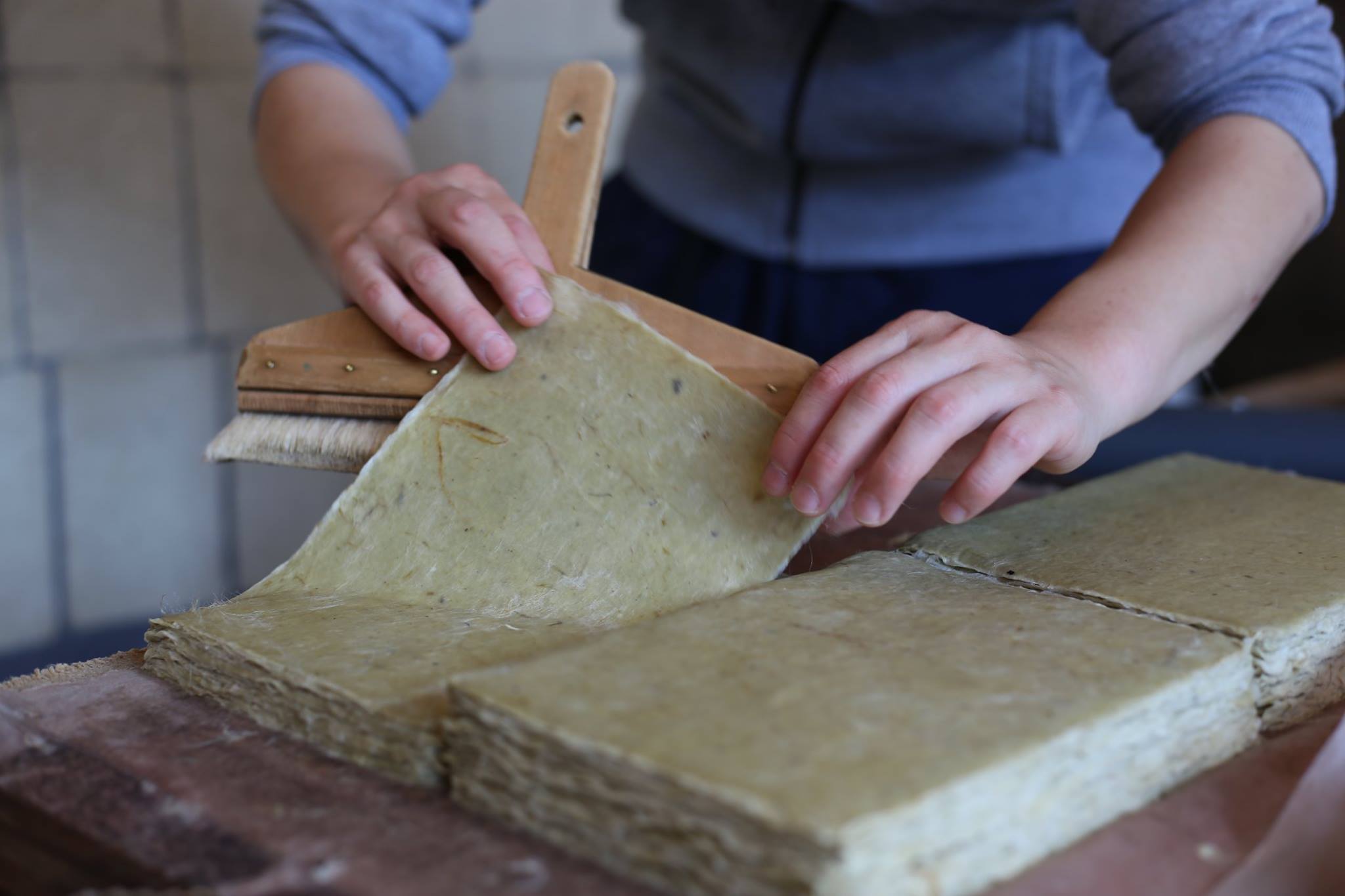
Washi has a history stretching back to the Heian period, and for most of that time it was farmers who made it — a winter craft practised during the quiet months when the fields didn't need tending. The raw material is kozo, the inner bark of the paper mulberry tree, which is harvested, steamed, stripped, dried, boiled, and beaten by hand until it breaks down into loose, silky fibres. The process is patient work, and that patience is present in every sheet at the end of it.
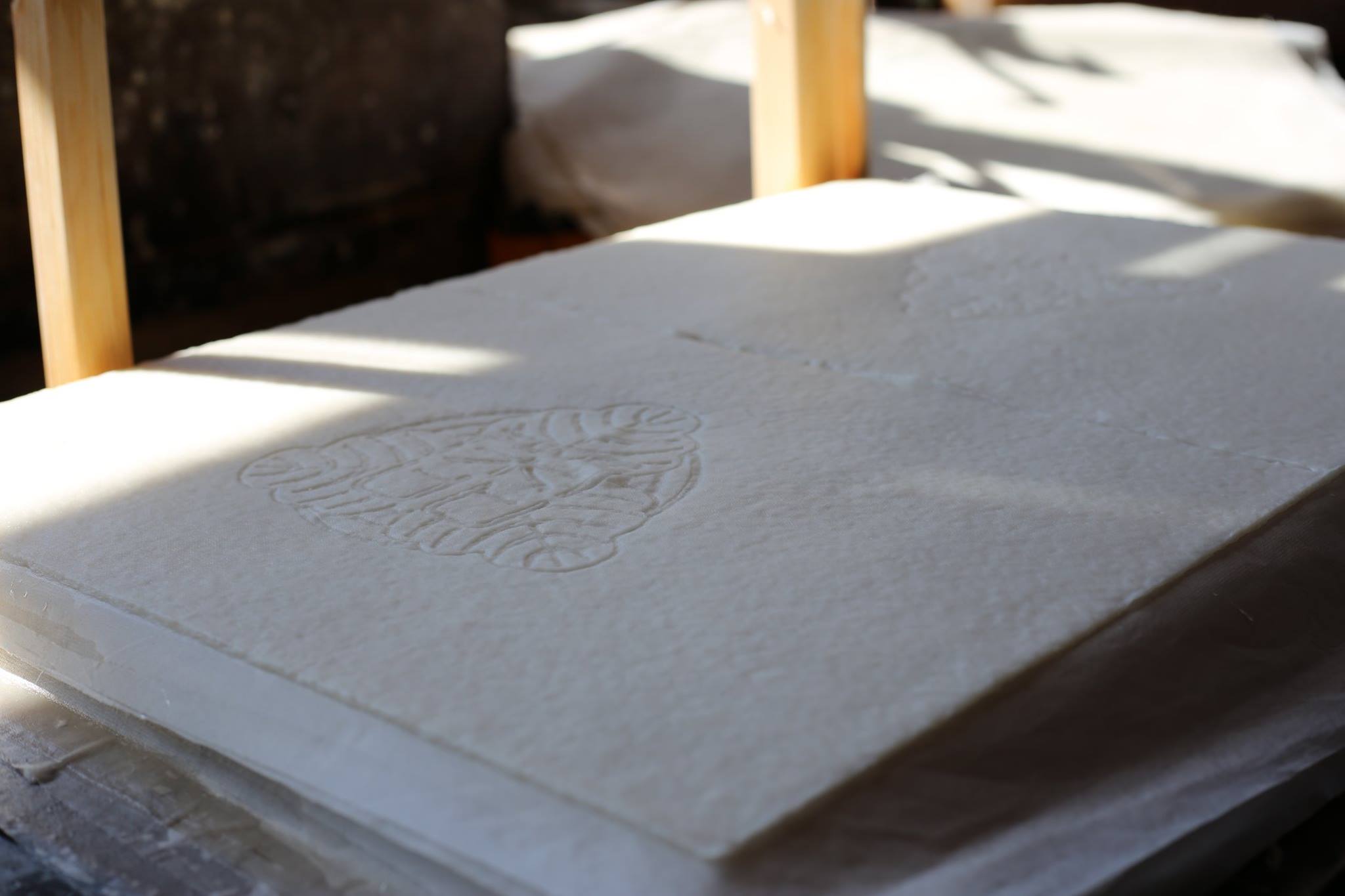
The papermaking itself — when you finally get to stand at the vat — is more meditative than you expect. You take the wooden frame, the sugeta, and lower it into the water where the pulp floats in suspension. Then you lift it, slowly, moving the frame back and forth in a gentle rocking motion to let the fibres settle and interlace. Each pass builds a little more substance. When the water drains away, what remains on the mesh is the thinnest, most fragile-looking sheet — and yet washi, once dry, is remarkably strong. Stronger than many machine-made papers. It bends without cracking, absorbs ink beautifully, and lasts for centuries.
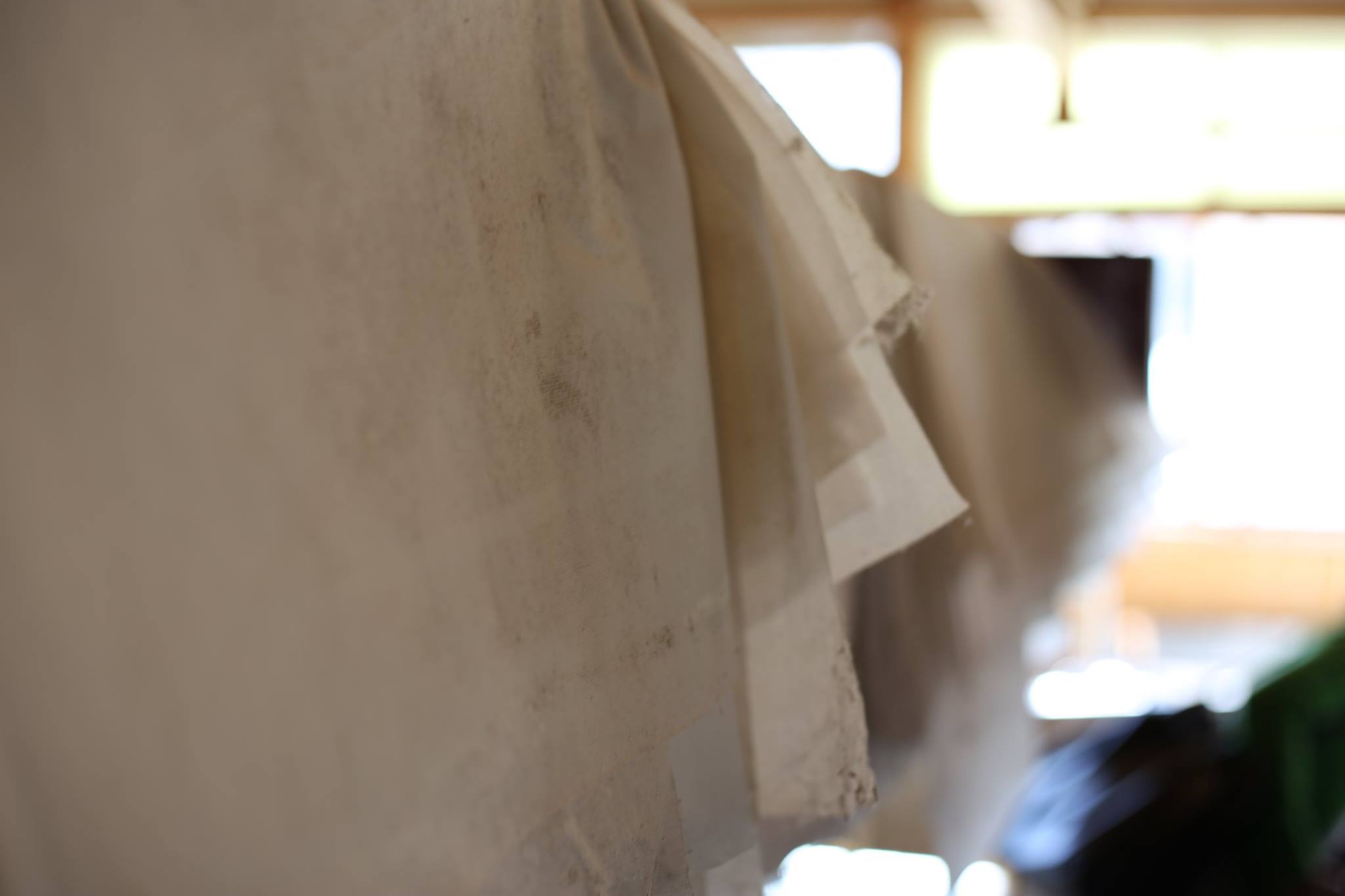
What stays with you isn't just the craft. It's the setting — a wooden workshop, natural light, the smell of wet fibre and clean water, a quiet that Tokyo makes you forget exists. Making something slowly, with your hands, in a place that has been doing the same thing for generations, is its own kind of grounding.
Washi was designated a UNESCO Intangible Cultural Heritage in 2014. Experiencing it in the countryside, rather than reading about it, makes that recognition feel entirely right.
More from this trip