Japan's Extraordinary Fruit Culture
In Japan, fruit is not a snack. It's closer to jewellery.
In Japan, fruit is not a snack. It's closer to jewellery.
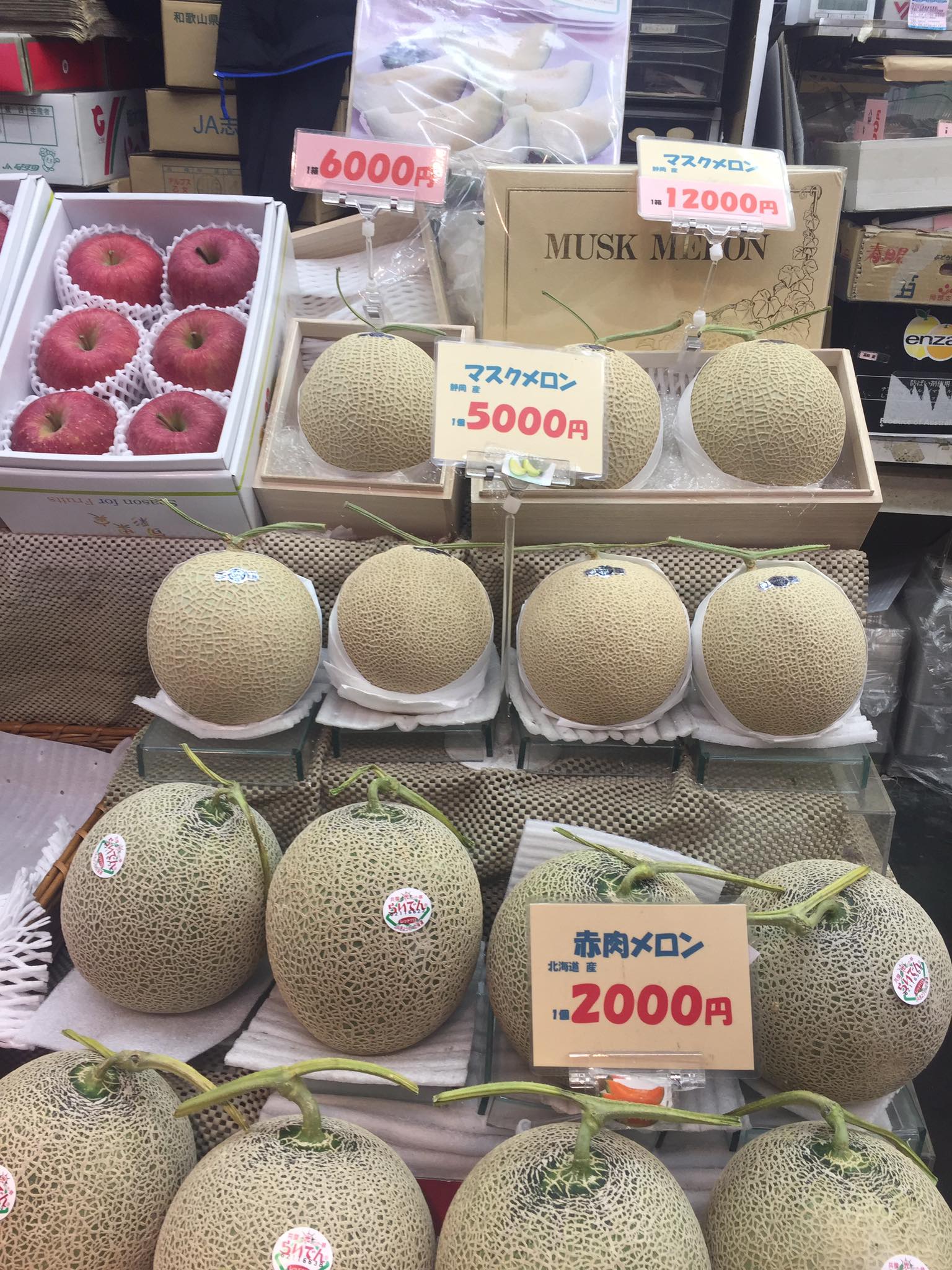
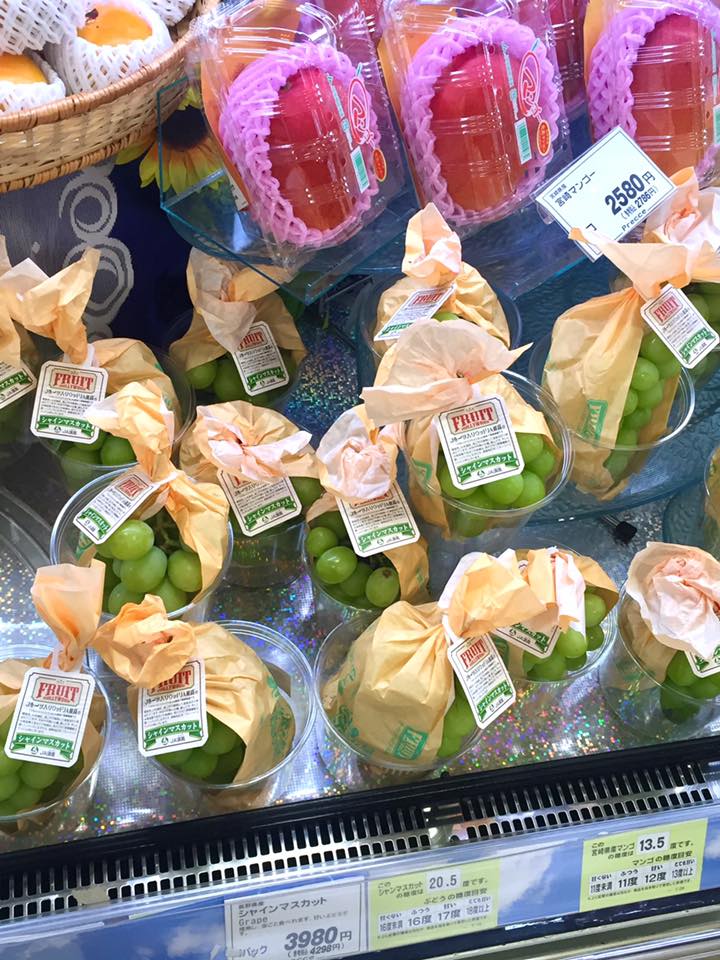
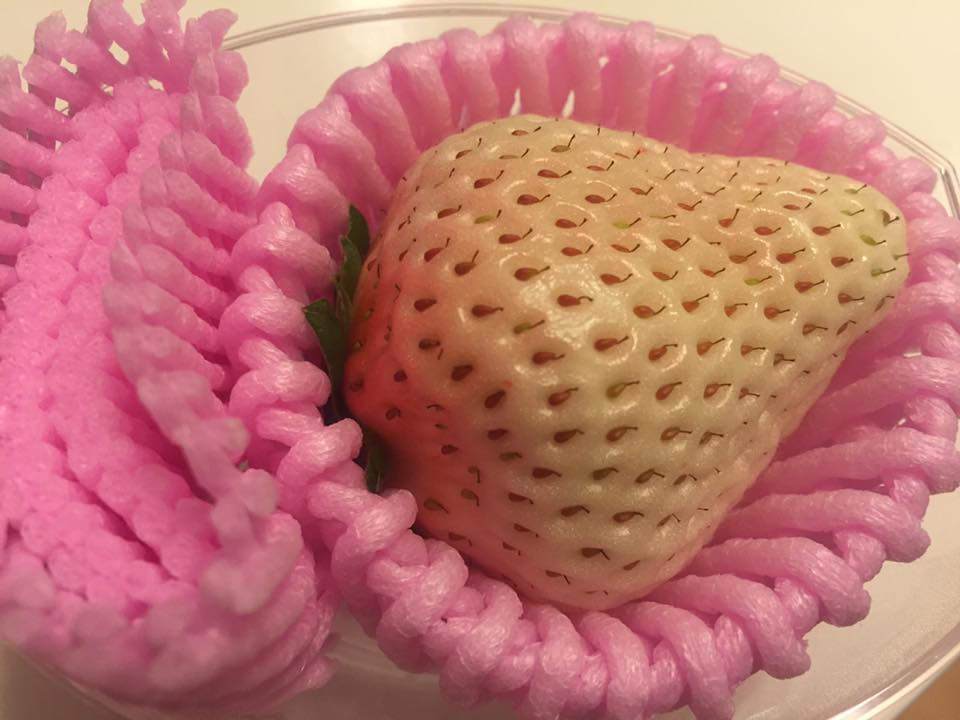
Walk into the basement food hall of any major department store in Tokyo — the depachika, which could comfortably be its own blog post — and you'll find a fruit section that stops you in your tracks. Individual Miyazaki mangoes, each one cradled in its own foam net and gift-wrapped, priced at several thousand yen. Shine Muscat grapes — large, seedless, and almost luminously green — arranged in perfect clusters in clear cups tied with tissue paper, tagged with grades and sugar content measurements. Perfectly spherical Fuji apples, unblemished, each one a deep uniform red. White strawberries that taste like nothing you've encountered before.
The prices will make your eyes water. A single premium mango can cost ¥2,000 or more. A punnet of Shine Muscat grapes — the variety you see everywhere, sweet and crisp with a faint muscat perfume — routinely runs to ¥3,000 or ¥4,000. A gift-quality melon from Hokkaido can reach ¥10,000 or beyond.
This is not a scam. It reflects something genuinely different about how Japan thinks about fruit. Premium Japanese fruit is grown with extraordinary care — farmers thin their crops aggressively so that each remaining fruit receives maximum nutrients, monitor sugar content obsessively, and wrap individual pieces on the tree to protect them from sun and insects. The result is fruit that is sweeter, more consistent, and more visually perfect than anything you've eaten before. The Shine Muscat in particular is something to seek out — it became a global sensation for good reason.
Fruit in Japan is also one of the most meaningful gift categories. A beautifully boxed melon or a tray of premium strawberries is a perfectly appropriate gift for a host, a colleague, or a special occasion. The wrapping and presentation are as considered as the fruit itself.
You don't have to spend a fortune to enjoy it. Supermarkets carry excellent seasonal fruit at reasonable prices, and the depachika are free to browse even if the perfect mango is a treat rather than an everyday purchase. But if you're in Tokyo and you haven't tried a Shine Muscat — find one. It's worth every yen.
More from this trip