Beyond Ramen: Traditional Japanese Food Worth Knowing
Ramen gets all the attention. But Japan's food culture runs so much deeper — soba, okonomiyaki, and the quieter dishes perfected over centuries.
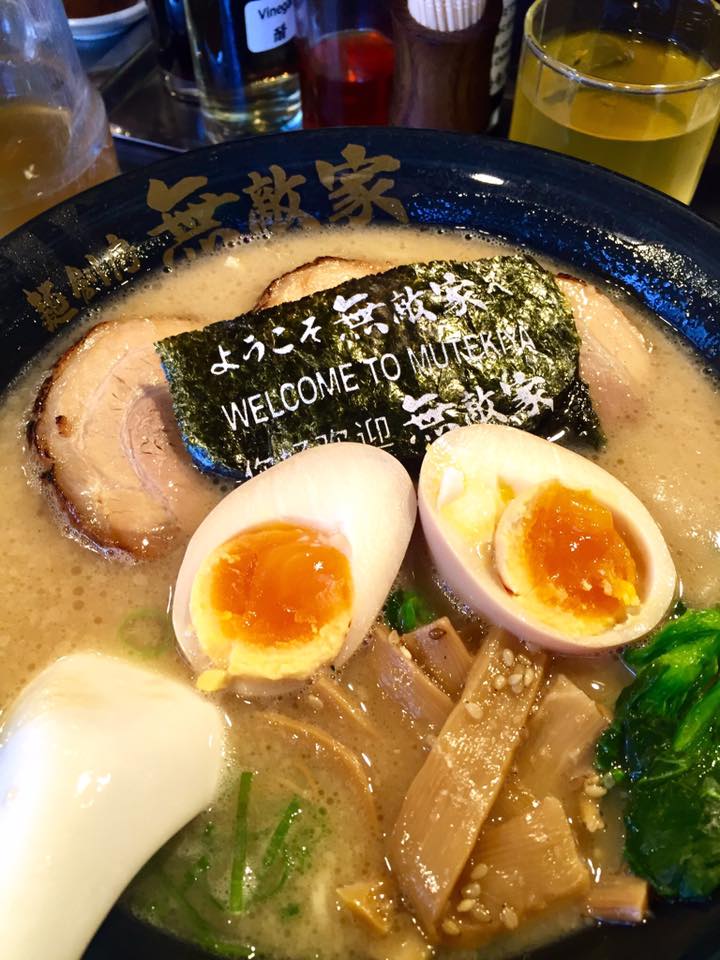
Ramen gets all the attention. And fairly so — it's extraordinary. But Japan's food culture runs so much deeper, and some of the most memorable meals you'll have here are the quieter ones, the dishes that don't trend on social media but that the Japanese have been perfecting for centuries.
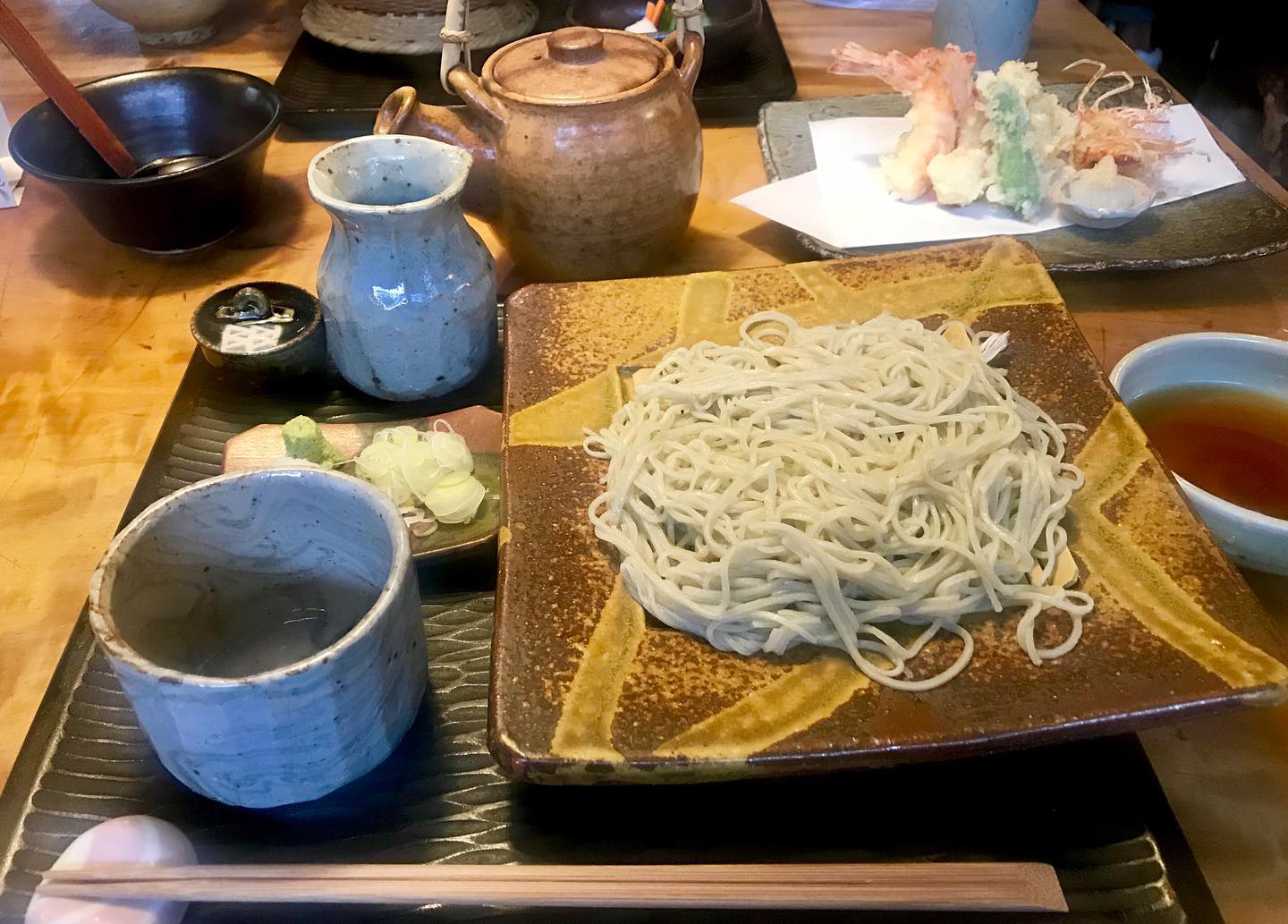
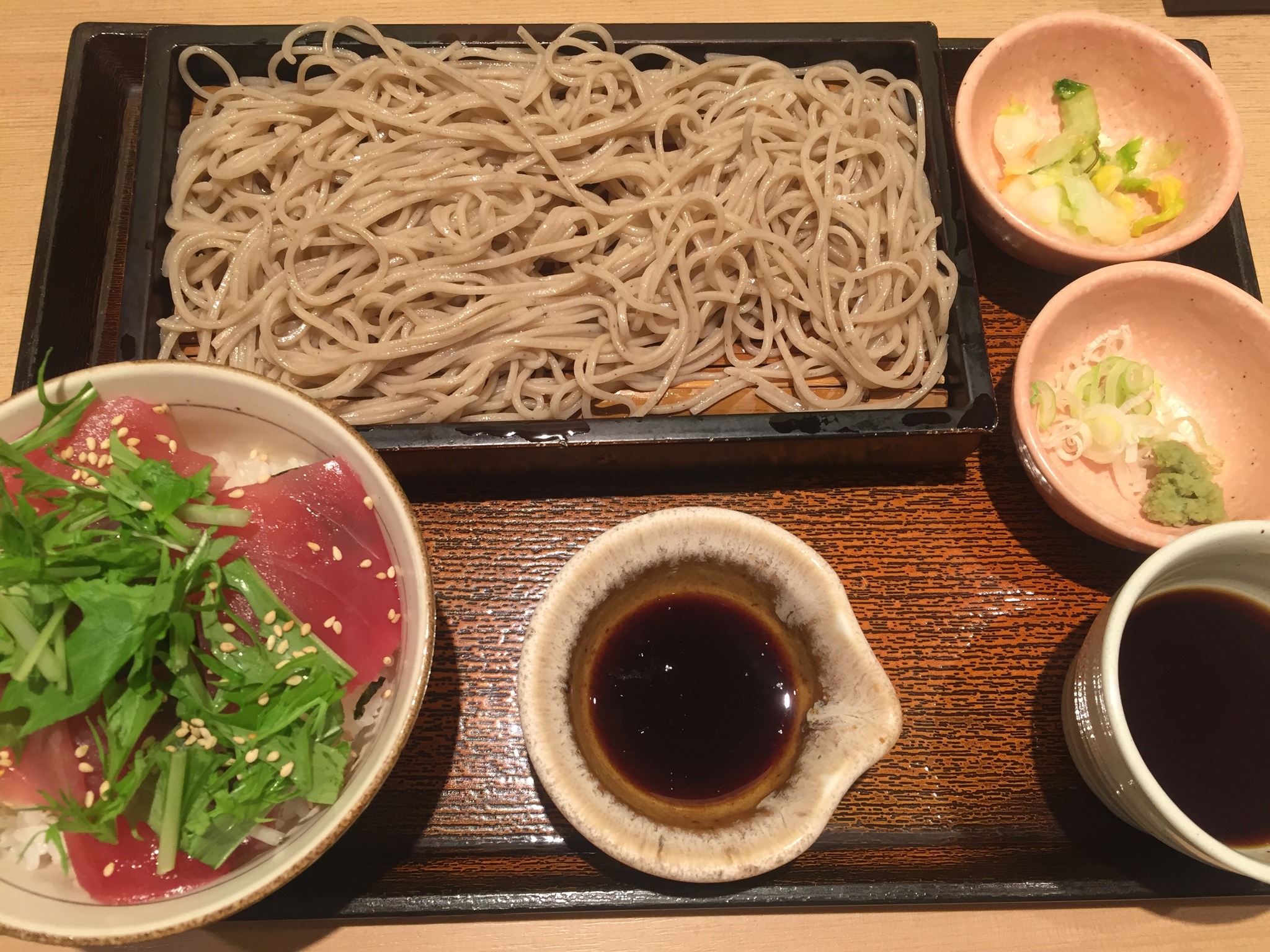
Soba is where to start. These thin buckwheat noodles are one of Japan's oldest foods, and at a good soba restaurant — particularly in Tokyo, which has a long soba tradition — the experience is almost meditative. The noodles arrive cold on a bamboo tray, pale and delicate, served with a small bowl of dipping broth made from dashi, soy, and mirin. You add a pinch of wasabi, a few strands of spring onion, and dip just the end of the noodles — never the whole bundle. The flavour is earthy, clean, and entirely its own. Order tempura alongside and it becomes a proper meal: battered prawns and vegetables, light as air, arriving on a separate tray with the noodles. It's the kind of lunch that makes you rethink everything you thought a noodle could be.
The best soba is juwari — made from 100% buckwheat with no wheat flour to hold it together, which makes it harder to work with and considerably more rewarding to eat. Ask for it if you see it on the menu.
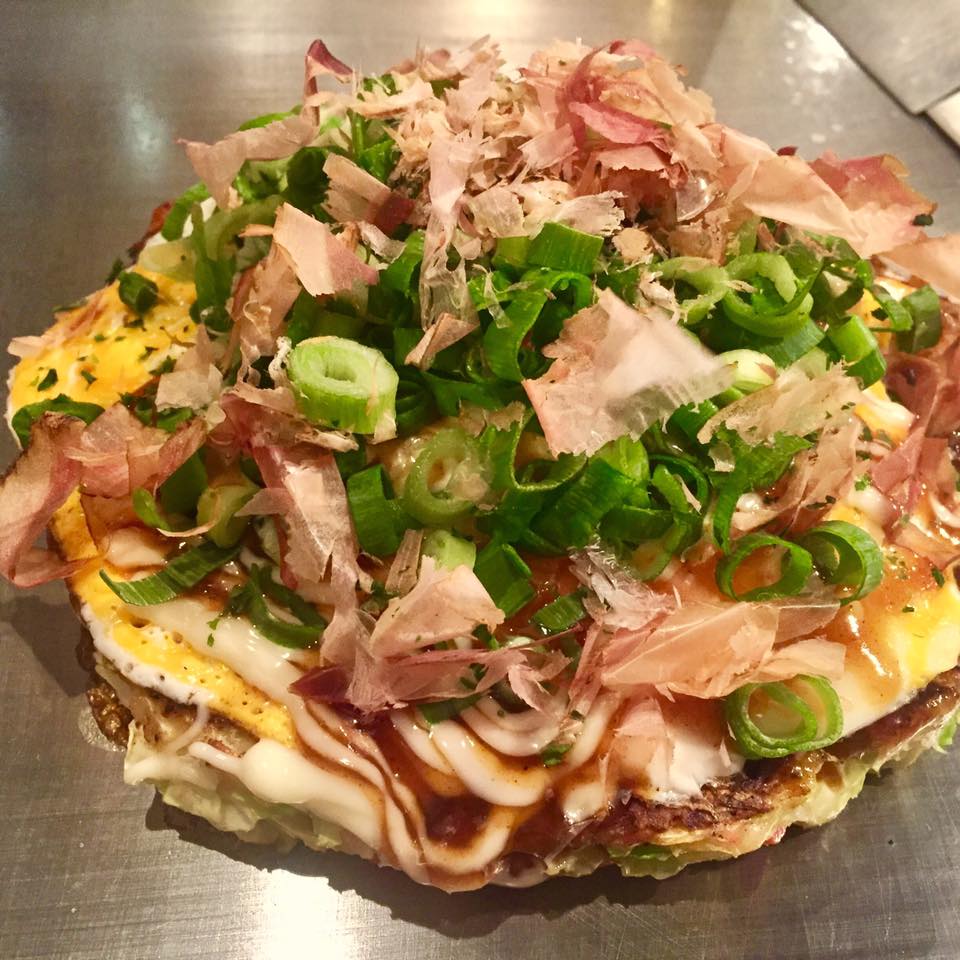
Okonomiyaki sits at the other end of the spectrum — generous, smoky, deeply satisfying. The Hiroshima style in particular is a thing of architecture: layers of batter, cabbage, yakisoba noodles, and egg, built up on a teppan griddle and finished with sauce, mayonnaise, spring onion, and a blizzard of dancing bonito flakes. It's a dish that rewards watching being made as much as eating, especially when you're seated at the griddle itself.
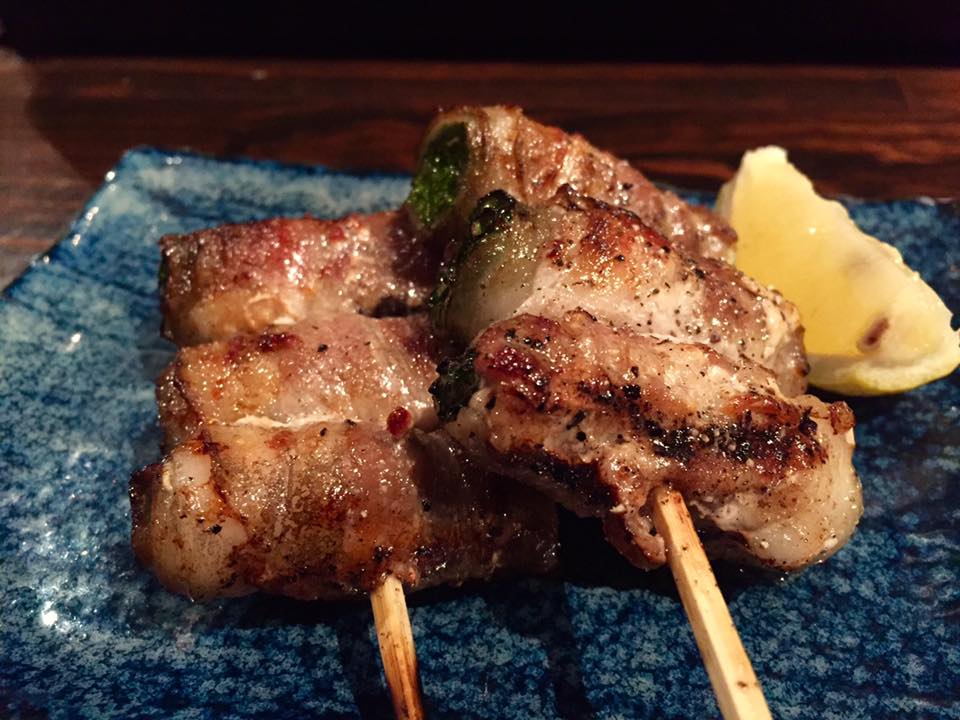
Beyond these, Japanese food rewards patience and curiosity in equal measure. A bowl of chawanmushi — silken steamed egg custard hiding shiitake and prawns beneath its surface. A plate of karaage, fried chicken so perfectly juicy it permanently ruins every other version you'll ever eat. Kaiseki, the multi-course tasting tradition that treats each small dish as a complete thought. The further you go from the obvious, the better it tends to get.
Japan doesn't have one cuisine. It has dozens, each one treated with the same seriousness, the same attention to season and technique and presentation. Ramen is a wonderful way in. But it's only the beginning.
More from this trip