Tokyo Ramen: From Classic to Extraordinary
Discover Tokyo's best local ramen shops - from rich tonkotsu at Mutekiya to the surprising lemon ramen at Torisoba Kotobuki in Ikebukuro.
Ramen in Japan is not just food - it's an obsession, a craft, and for many, a way of life. Every neighborhood in Tokyo has its loyal ramen-ya, tiny shops where masters have spent decades perfecting a single bowl. Unlike the instant noodles that bear its name abroad, authentic Japanese ramen is a symphony of carefully crafted elements: the broth simmered for hours (sometimes days), hand-pulled or specially cut noodles, and toppings that complement rather than overpower.
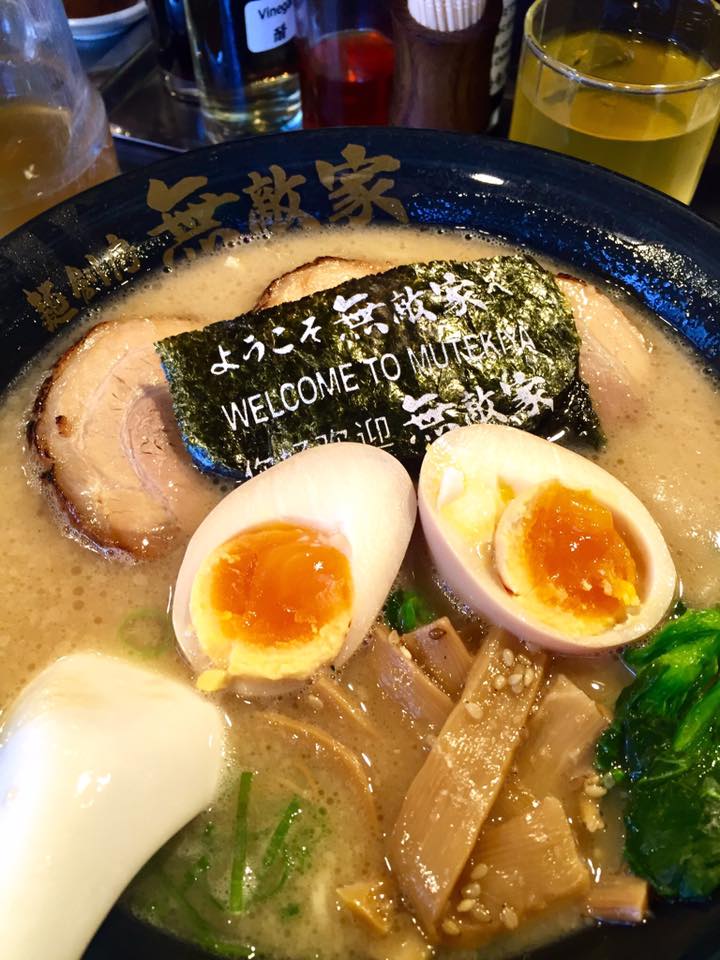
My ramen journey began at Mutekiya in Ikebukuro, a legendary shop known for its rich tonkotsu (pork bone) broth. The bowl that arrived was a masterpiece: creamy white broth with a depth that only comes from 20+ hours of simmering, topped with perfectly torched chashu pork, a jammy soft-boiled egg with its sunset-orange yolk, bamboo shoots, spinach, and nori printed with a welcoming message. This is classic Tokyo ramen at its finest - rich, satisfying, and utterly addictive.
But Tokyo's ramen scene extends far beyond the classics. Vegans and vegetarians are no longer left behind, with shops like Afuri offering yuzu shio (citrus salt) ramen with vegetable-based broths that rival their meaty counterparts. The light, refreshing flavors prove that ramen doesn't need pork bones to achieve greatness.
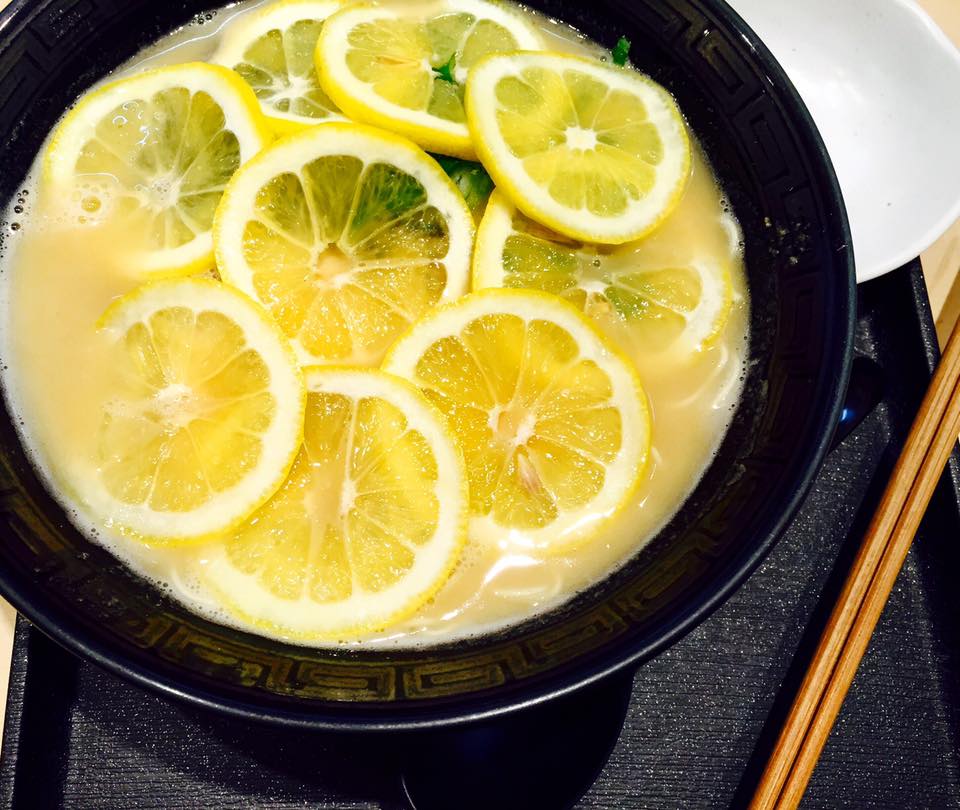
The most surprising discovery was just a couple of minutes walk from the west exit of Ikebukuro Station: Torisoba Kotobuki (1-18-1 Nishiikebukuro, Toshima-Ku). Their number one most popular dish is lemon ramen - yes, a bowl topped with fresh lemon slices that float like golden suns in a clear chicken broth. The citrus cuts through the richness, creating something entirely new yet somehow deeply Japanese. It sounds unusual, but one sip and you understand why locals queue for it.
Ramen etiquette is simple: slurp loudly (it cools the noodles and shows appreciation), eat quickly (noodles are meant to be enjoyed at their peak), and finish your broth if you can. Most shops use ticket machines - insert money, press the button with a picture of what you want, and hand your ticket to the chef. Don't be intimidated by the process; the reward is worth any initial awkwardness. In Tokyo, the perfect bowl is always just around the corner.
Recommendations
More from this trip