The Simple Joy of Yakitori
Bite-sized pieces of chicken grilled over binchōtan charcoal — Japanese cooking at its most honest.
There's a moment, somewhere between the second and third skewer, when you understand why yakitori has endured for centuries.
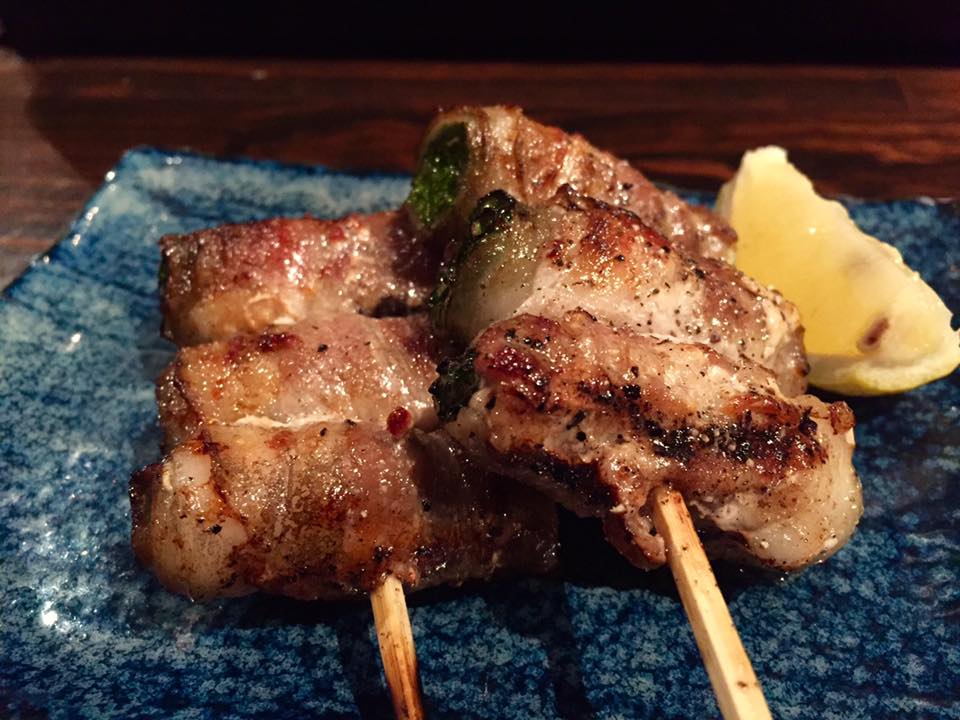
It doesn't look like much from the outside. A small grill, a cloud of smoke, a chef who hasn't looked up in twenty minutes. But that's exactly the point. Yakitori — bite-sized pieces of chicken grilled over binchōtan charcoal — is Japanese cooking at its most honest: a handful of ingredients, treated with complete seriousness.
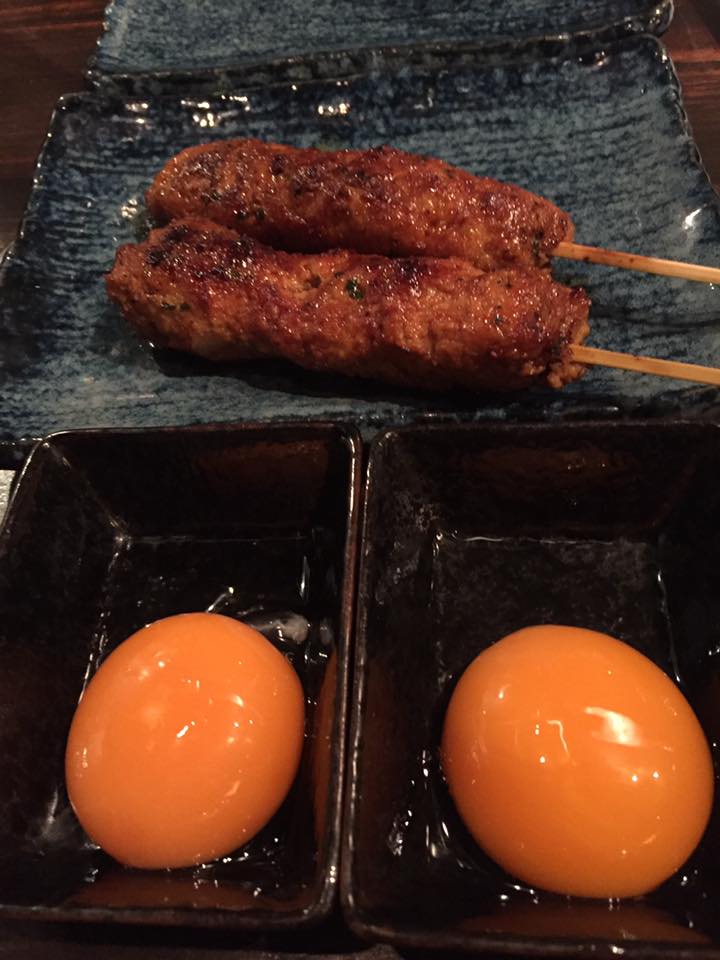
The word itself just means 'grilled bird,' but the world it opens up is surprisingly vast. There's negima, chicken thigh threaded with spring onion, the fat rendering into the charcoal as it cooks. Tsukune, the soft chicken meatball, brushed with tare sauce until it's lacquered and caramelised. Kawa, crispy chicken skin that somehow tastes better than anything that simple has a right to. And if you're feeling adventurous, the liver — rich, slightly mineral, gone in two bites.
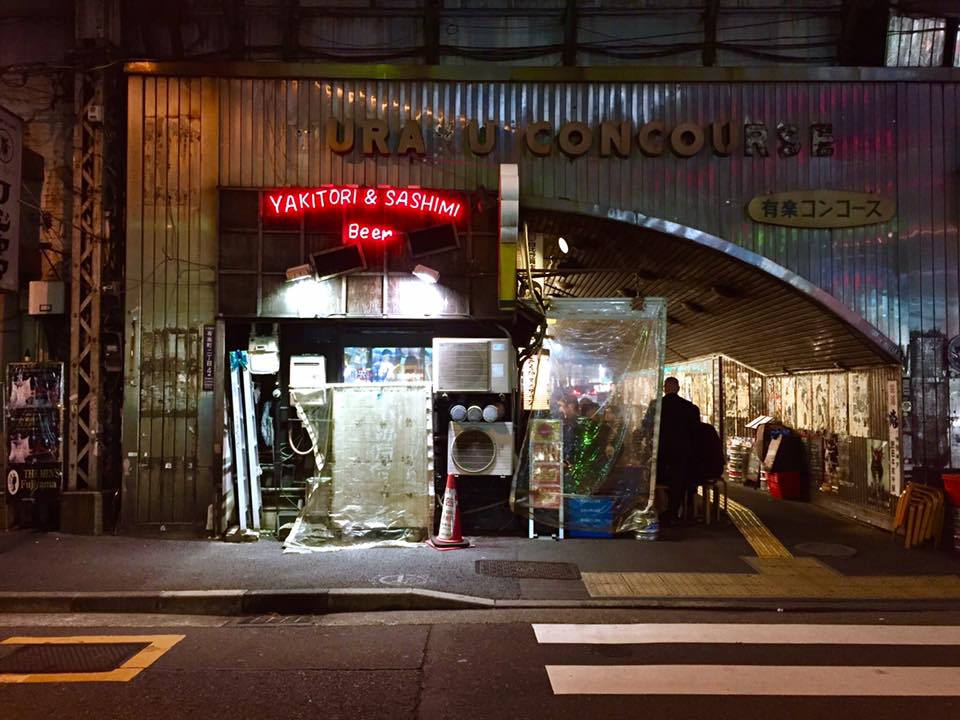
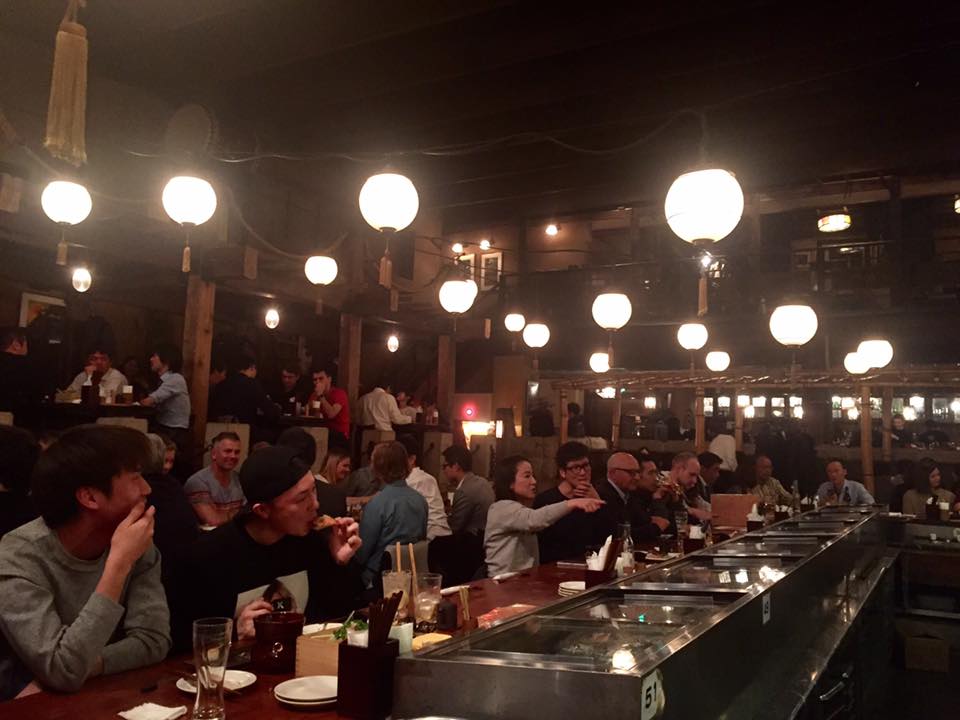
You'll find yakitori everywhere in Japan — at tiny yakitori-ya tucked under train tracks, at izakayas buzzing with after-work salarymen, at summer festivals where the smoke drifts through the evening air. It's the kind of food that's just as good with a cold Sapporo as it is with a glass of umeshu.
Order a mix, ask the chef what's good that night, and don't rush. Yakitori isn't fast food — it's patient food, and it rewards people who treat it that way.
Recommendations
More from this trip