Sashimi: The Pure Art of Raw Fish
Discover why sashimi represents the pinnacle of Japanese culinary philosophy - where freshness, knife skills, and respect for ingredients create edible art.
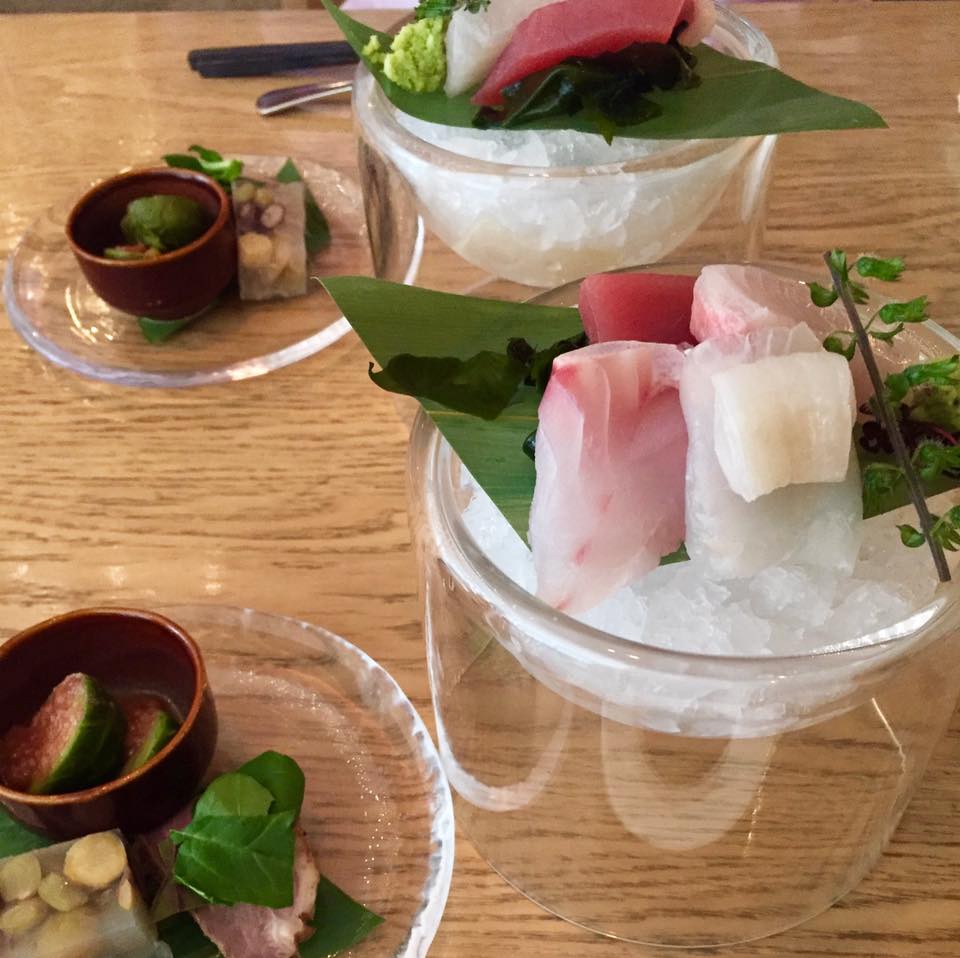
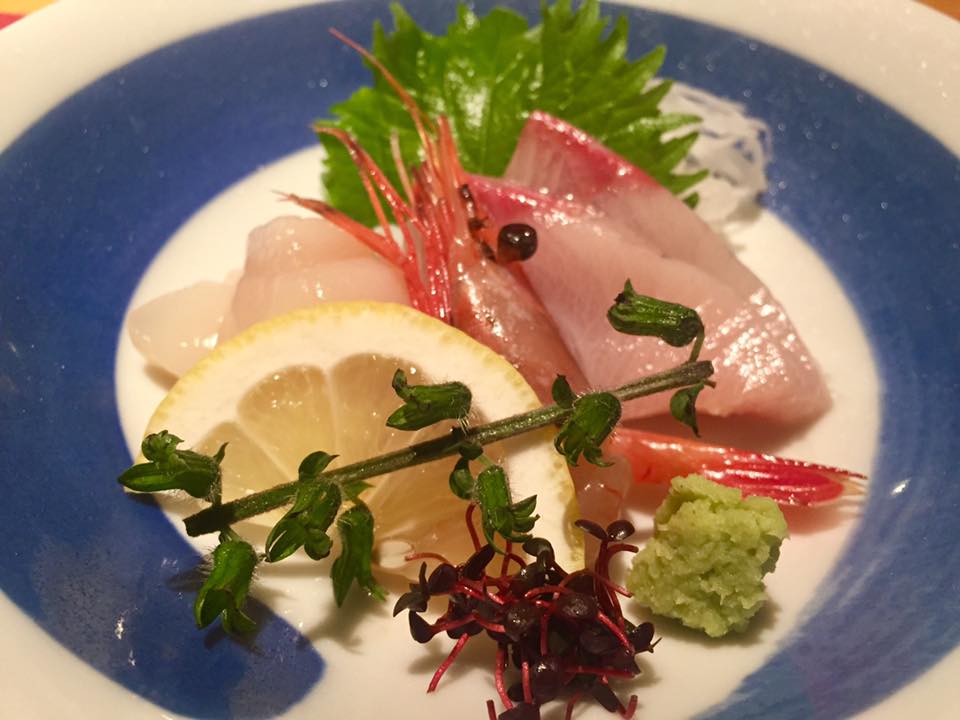
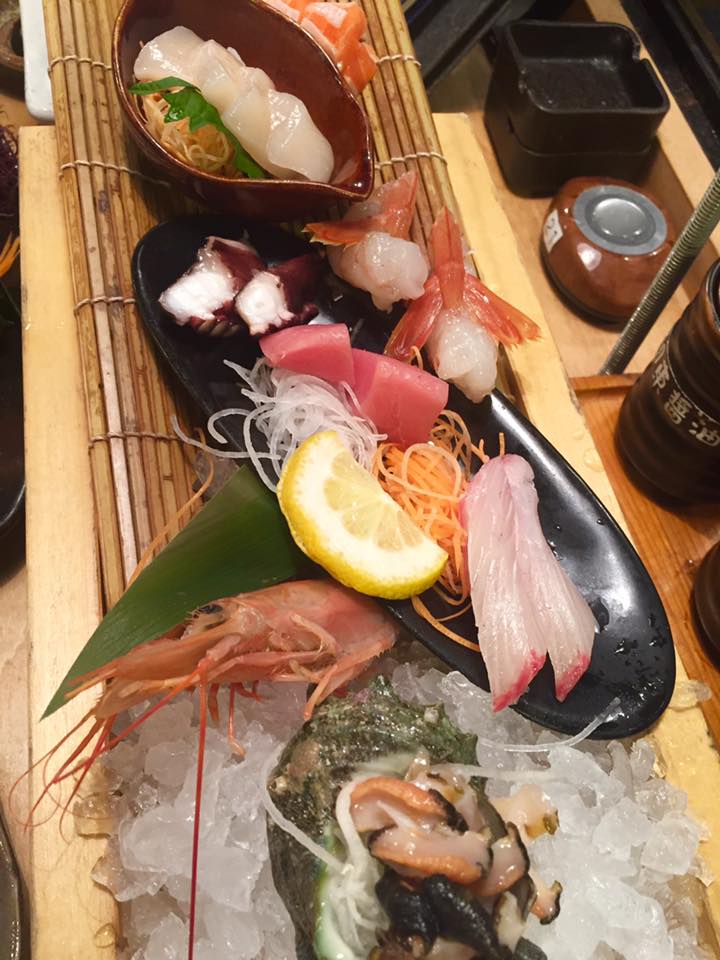
In the West, we often conflate sushi and sashimi, but to do so misses something profound about Japanese cuisine. While sushi combines fish with seasoned rice, sashimi stands alone - raw fish in its purest form, unadorned except for the skill of the chef who cuts it. This simplicity is not a lack of sophistication; it is the highest expression of it. Sashimi embodies the Japanese philosophy of letting ingredients speak for themselves.
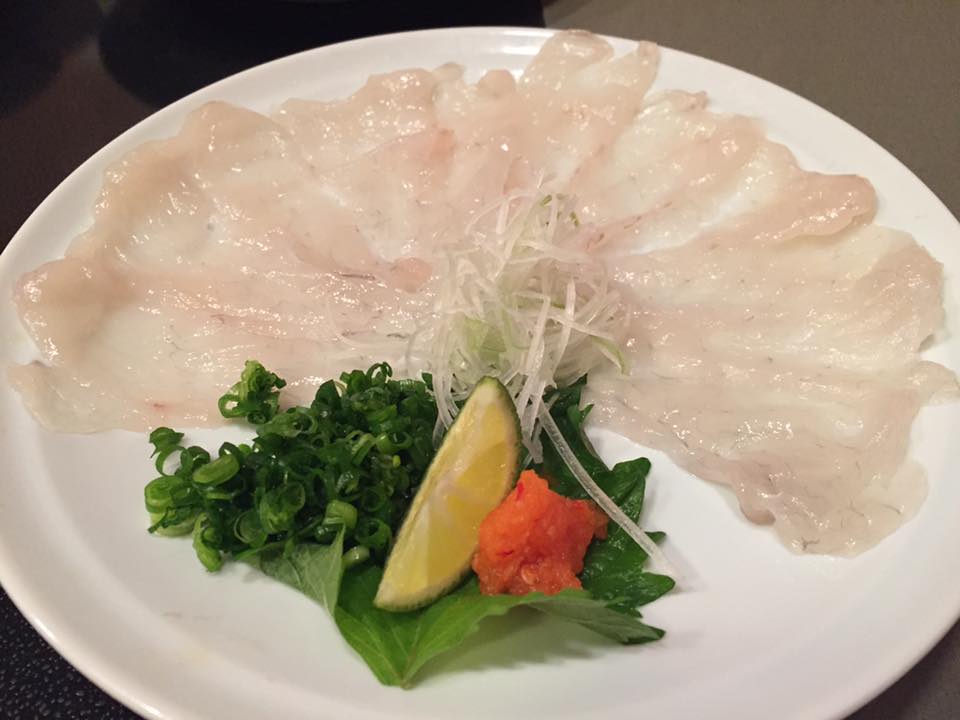
The word 'sashimi' literally means 'pierced body,' referring to the traditional practice of pinning the fish's tail and fin to the slices to identify what you're eating. Today, the art lies entirely in the cut. A master chef spends years perfecting knife techniques - the hira-zukuri (rectangular slice), the sogi-zukuri (angled thin slice), and the usu-zukuri (paper-thin slice used for delicate fish like fugu). Each cut is designed to optimize the texture and flavor of the specific fish.
Japanese people's love for sashimi runs deep in their island nation's DNA. Surrounded by nutrient-rich waters where warm and cold currents meet, Japan has access to an extraordinary diversity of seafood. This abundance shaped a cuisine where freshness is paramount - fish that was swimming hours ago is prized above all else. The concept of 'shun' (seasonality) means certain fish are celebrated at their peak moments throughout the year.
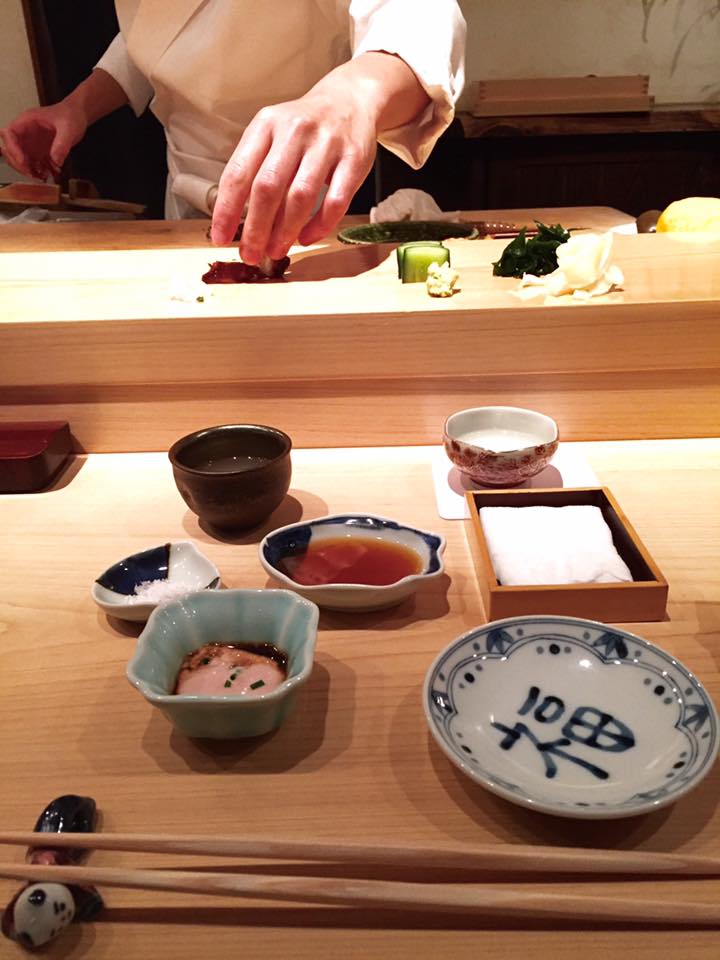
What strikes me most about sashimi is the ritual of eating it. You don't just consume it - you appreciate it. Notice the color gradations in the fish, the way light plays on its surface. Pick up a piece with chopsticks (never stabbing it), dip just the edge in soy sauce (not the whole piece, and never the rice side if there is one), and add the smallest touch of wasabi directly to the fish. Each piece should be eaten in one bite, allowing the full complexity of flavors to unfold.
During my time in Japan, I've had sashimi in Michelin-starred restaurants and tiny izakayas alike. The best experiences share common elements: pristine fish sourced from trusted suppliers, a chef who treats each piece with reverence, and an understanding that this simple dish represents centuries of culinary wisdom. Sashimi isn't just food - it's a meditation on impermanence, freshness, and the beauty of restraint.
More from this trip