Cosplay in Japan: Where Fantasy Meets the Street
In most countries, dressing as your favourite anime character is something you do at a convention once a year. In Japan, it's closer to an art form.
In most countries, dressing as your favourite anime character is something you do at a convention, once a year, with some degree of self-consciousness. In Japan, it's closer to an art form.
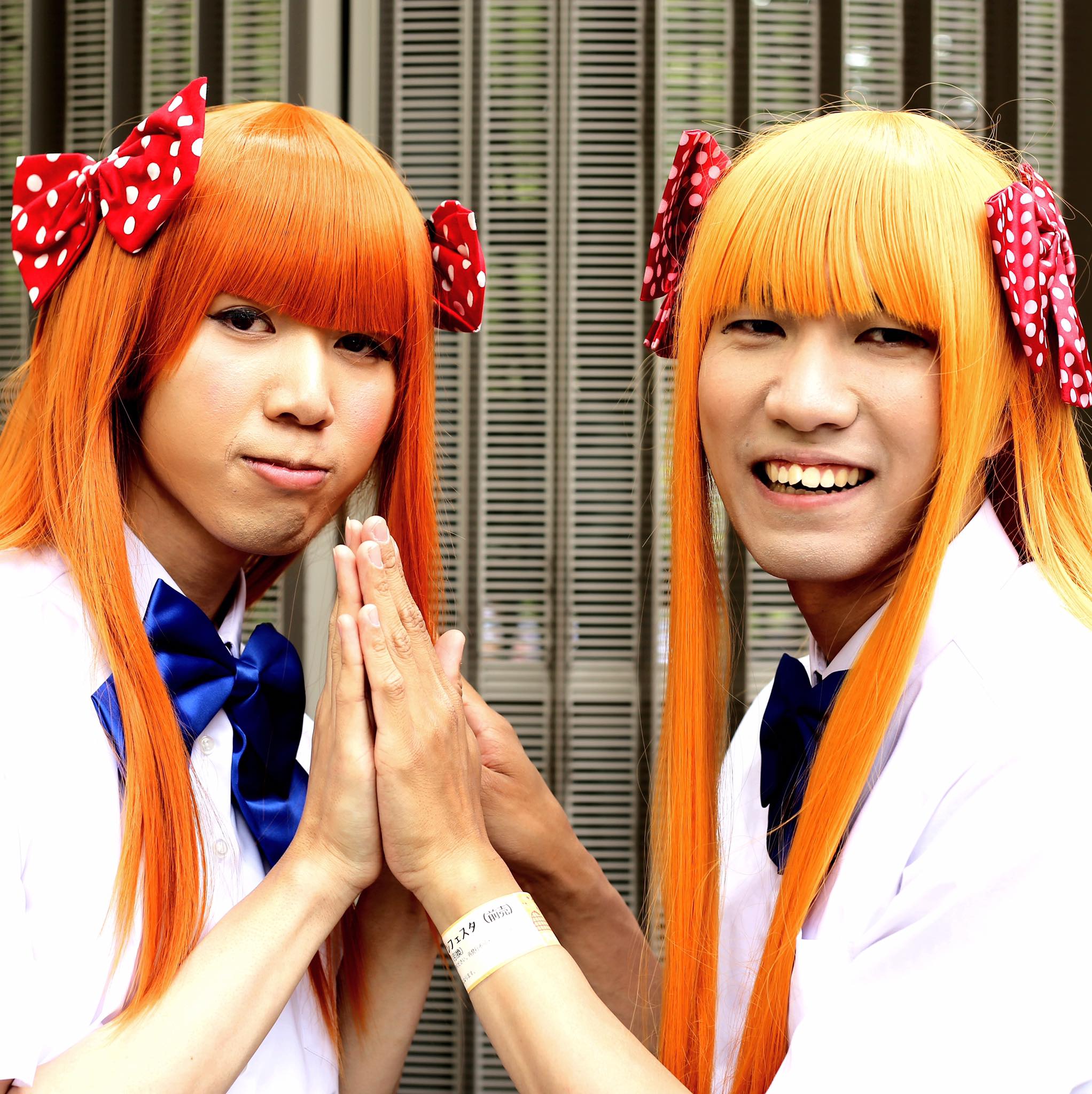
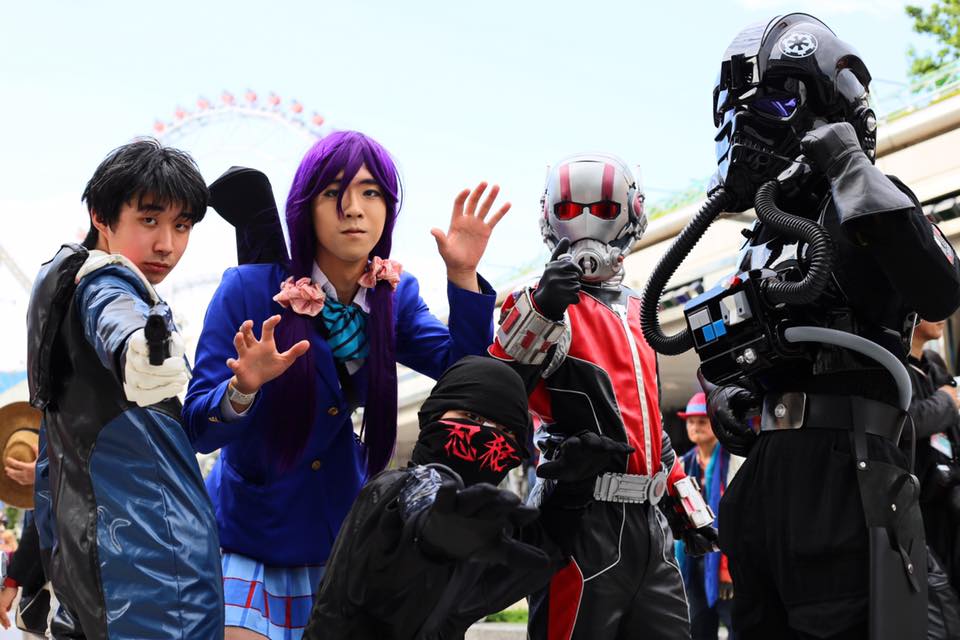
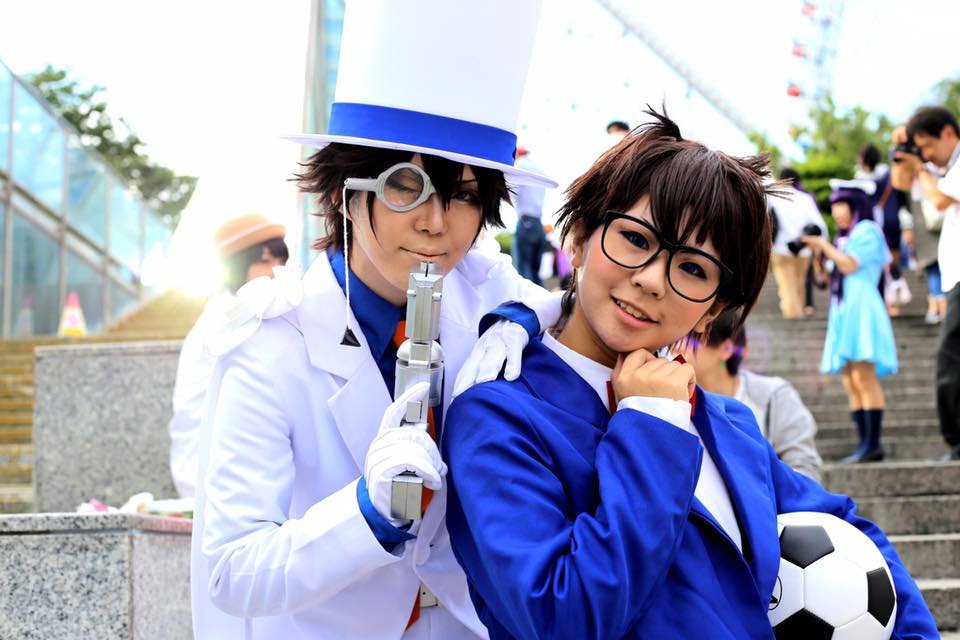
Cosplay — the word is a Japanese contraction of 'costume play' — was born here, and the culture around it reflects everything Japan does with its passions: total commitment, extraordinary craft, and a complete absence of irony. The costumes you encounter in Tokyo aren't hastily assembled outfits. They are months of work — hand-sewn fabrics, custom wigs styled to impossible heights, hand-painted props, contact lenses that turn ordinary eyes into something from another world. The attention to detail is genuinely staggering.
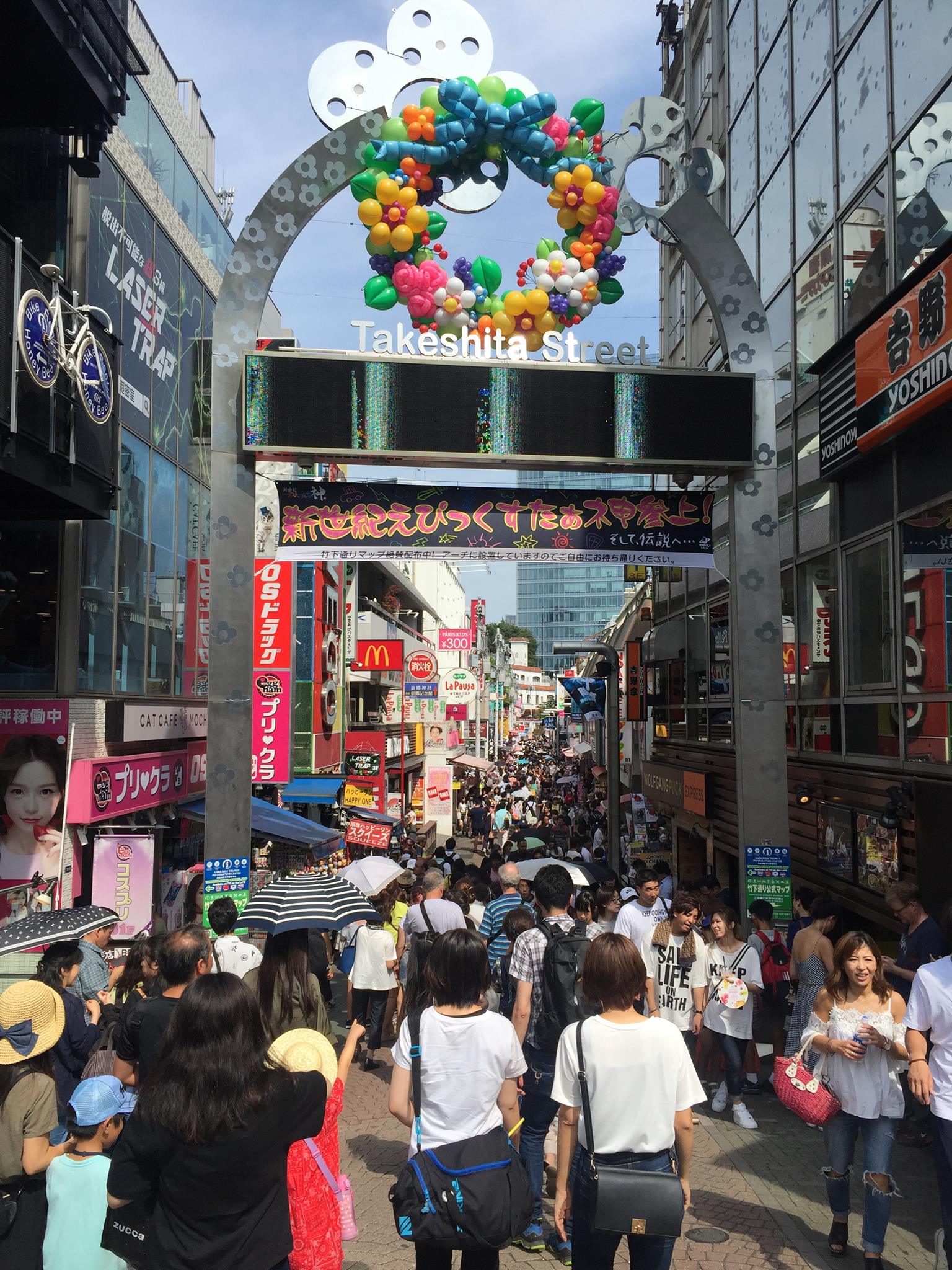
Harajuku is the most visible neighbourhood for street fashion and cosplay culture, but Akihabara — Tokyo's electronics and anime district — is where cosplay is most deeply embedded. Walk through on a weekend and you'll pass maids handing out flyers for themed cafés, figures posed outside hobby shops, and groups in full costume heading to or from one of the city's many events. It hums with a particular kind of creative energy that is difficult to find anywhere else.
The major cosplay events are worth planning a trip around. Comiket, held twice a year at Tokyo Big Sight in summer and winter, is the world's largest self-published comic and media event, drawing hundreds of thousands of visitors — many in extraordinary costumes. The AnimeJapan expo in spring is another landmark event, and smaller dedicated cosplay gatherings happen throughout the year in parks and event spaces across the city.
What strikes you, watching all of this, is how seriously people take the creative side. Cosplayers study the source material obsessively — the exact shade of a character's jacket, the precise angle of a prop sword. Many make everything themselves. There are entire communities built around sharing techniques, offering feedback, improving together.
Japan gave the world some of its most beloved fictional characters. It makes sense that the people who love them most would want, at least for a day, to become them.
More from this trip